


-

Add: HeBei ShengShi HongBang Cellulose Technology CO.,LTD.
-

Email
13180486930@163.com -

CONTACT US
+86 13180486930





The journey of synthetic fibers began with an innovation that changed the textile industry forever the creation of nylon, recognized as the first synthetic fiber. Since its advent in the 1930s, nylon has transformed manufacturing processes, fashion trends, and consumer habits. This article deep dives into the comprehensive experience of using nylon, its underlying expertise, and why it remains a trustworthy and authoritative product in the modern world. Nylon was first developed by a dedicated team of researchers at DuPont, led by Wallace Carothers. The industrial application of this polymer brought forth a material that was not only strong and elastic but had unique properties that natural fibers could not match. Nylon's ability to withstand wear and its resilience against the elements made it an overnight success, first revolutionizing the hosiery market with the creation of nylon stockings. The experience of using nylon as a product began with its adaptability. Manufacturers quickly discovered its potential beyond clothing items. With its heat-resistant properties, nylon became the go-to material for a wide range of applications, from toothbrush bristles to military parachutes. Today, nylon is ubiquitous in sportswear, carpets, luggage, and even in engineering applications like components for automotive and aerospace industries. Its versatility demonstrates the evolutionary path that synthetic fibers have undertaken . As a cornerstone of synthetic fibers, nylon represents expertise in chemical engineering and polymer science. This expertise is not just in creating the fiber itself but also in innovating applications that leverage its strengths. Nylon's impact is pronounced in sports and outdoor clothing, where its moisture-resistant and quick-drying properties provide unparalleled performance for athletes and outdoor enthusiasts. Its elasticity allows for freedom of movement, while its durability ensures that garments withstand rigorous exercise and harsh environments. Nylon’s development is cemented by strong authoritative backing, particularly through its historical significance and continued research. Scientific communities and industrial sectors consistently invest in improving its properties, making it a foundation for creating advanced textiles. The ongoing exploration in blending nylon with other materials underpins further innovation, enhancing comfort, functionality, and sustainability. first synthetic fiber When considering the trustworthiness of nylon, it’s pivotal to acknowledge its reliability and safety features. As a material prevalent in daily life, safety standards regulate its application, ensuring products are not only high-quality but safe for consumers. Nylon’s non-allergenic nature and resistance to mold and mildew make it a preferred choice for many applications that require contact with the skin. Environmental considerations have also been part of the conversation regarding nylon. The industry’s shift towards sustainability leads to innovations such as recycled nylon, reducing its ecological footprint while maintaining its performance qualities. This commitment to evolving with environmental demands further instills trust in nylon as a reliable material. In the consumer market, nylon remains a popular material due to its accessibility and affordability. Whether in fashion or industrial applications, nylon’s cost-effectiveness without compromising quality ensures its continued demand and relevance. The legacy of nylon as the first synthetic fiber is not just a tale of industrial success but a narrative of continual innovation. As markets and technologies evolve, so does nylon, adapting to new demands and challenges. Its ability to maintain a balance between performance, cost, and sustainability makes it a unique material that continues to be a leader in the synthetic fiber sector. Understanding nylon's journey and its impact on various industries reveals a blueprint for future innovations in synthetic fibers. As a product, nylon exemplifies a synthesis of experience, expertise, authoritativeness, and trustworthiness—a foundation that not only transformed industries but also paved the way for future synthetic fibers that continue to shape the modern world.
- 40000tons

Production
- 20+years

Experience
- 5000+㎡

Acreage

-
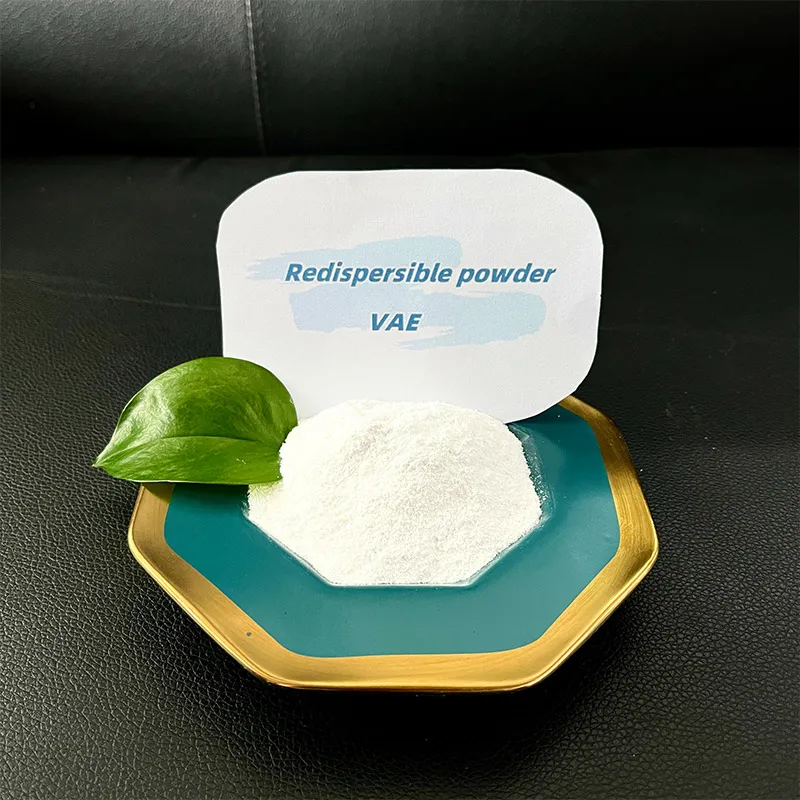
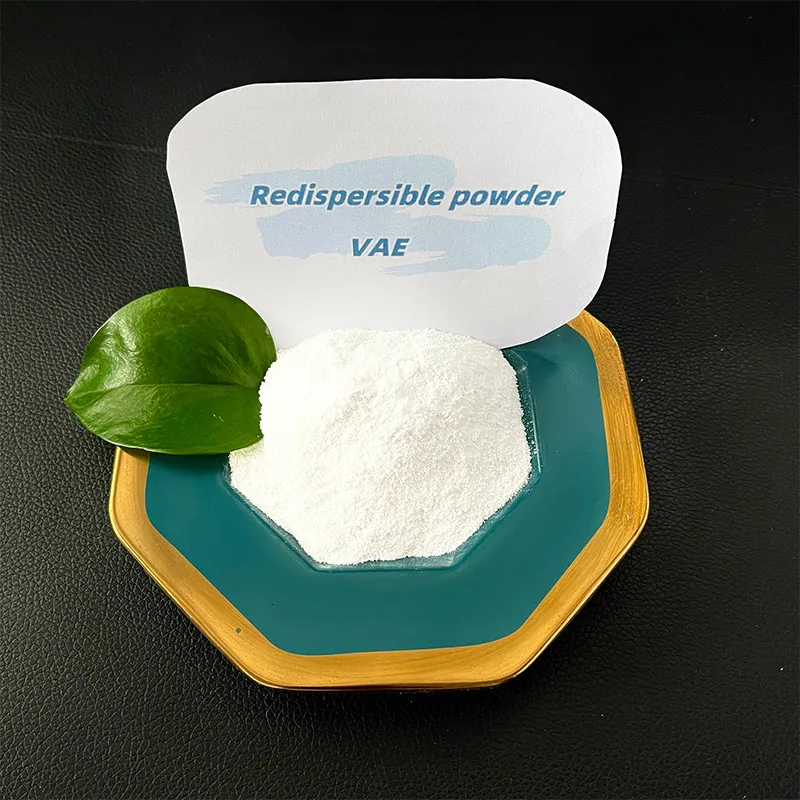
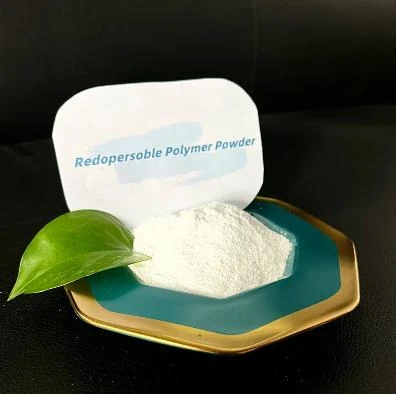
Redispersible emulsion powder is a vital ingredient in modern construction materials, offering numerous benefits in terms of performance and durability. This polymer powder is used in various building products such as cement, plaster, tile adhesives, and dry mix mortar. When added to these materials, redispersible emulsion powder improves flexibility, adhesion, and water retention, resulting in stronger and more durable constructions. The primary function of redispersible emulsion powder is to enhance the properties of dry mix products. It enables the mixture to be re-dispersed in water, which activates the polymer, improving its performance when applied in real-world conditions. For example, when used in plaster, it enhances adhesion to surfaces, making it more resistant to cracking. Similarly, when used in tile adhesives, it ensures better bonding and reduces the likelihood of tiles coming loose over time. In addition to providing superior technical benefits, redispersible emulsion powder is also cost-effective. It allows manufacturers to create high-performance building materials without increasing the overall cost. For construction professionals, this translates into high-quality results at a lower cost, which is essential for both large-scale projects and smaller, budget-conscious renovations. Ethylene Vinyl Acetate Powder: A Versatile Polymer in Construction Another essential polymer used in the construction industry is ethylene vinyl acetate powder (EVA powder) . This versatile material is widely used as an additive in construction products to improve their strength, durability, and flexibility. EVA powder is a copolymer made by combining ethylene and vinyl acetate, offering unique properties such as increased impact resistance, higher tensile strength, and improved flexibility. In the context of construction, ethylene vinyl acetate powder is used to enhance the properties of coatings, adhesives, and flooring materials. For example, when added to tile adhesives, it ensures that the adhesive remains flexible over time, preventing cracks and improving its ability to withstand temperature fluctuations. Similarly, in the production of flooring materials, EVA powder provides additional cushioning, making the floors more comfortable and durable. What makes ethylene vinyl acetate powder particularly valuable in construction is its ability to improve the workability of materials. It reduces the viscosity of adhesives and coatings, making them easier to apply and spread. The result is smoother, more efficient application processes, which save both time and labor costs. Additionally, EVA powder is known for its resistance to UV rays and chemicals, ensuring that construction materials remain strong and reliable over time, even when exposed to harsh environmental conditions. Polymers for Detergent Powder: Enhancing Performance and Efficiency While redispersible emulsion powder and ethylene vinyl acetate powder are widely known in the construction industry, their cousin – polymer for detergent powder – plays a crucial role in the detergent industry. Polymers in detergent powders are essential for improving their efficiency and performance, especially in terms of cleaning power and fabric protection. Polymers for detergent powder enhance the dispersibility of the powder in water, ensuring that the detergent can spread evenly across fabrics and dissolve effectively. They also help reduce the formation of residues, ensuring that detergents work at their best without leaving behind unwanted residues on clothing. Additionally, these polymers can be engineered to help control the release of detergents, enhancing their ability to clean in a variety of washing conditions. Another important benefit of polymer for detergent powder is its ability to help soften fabrics. Polymers like polyacrylates or polycarboxylates, which are commonly used in detergents, create a protective layer around fibers, reducing friction and wear and tear. This feature is particularly beneficial in laundry applications, as it not only improves the longevity of fabrics but also enhances their feel and appearance. Redispersible Polymer Powder Manufacturers: Key Players in Innovation When it comes to sourcing redispersible polymer powder , finding a reliable and experienced manufacturer is key to ensuring high-quality products. Redispersible polymer powder manufacturers play a crucial role in the supply chain, providing construction companies with the materials necessary to produce superior building products. These manufacturers invest in research and development to continuously improve the performance and properties of their products. By working with redispersible polymer powder manufacturers , businesses can access the latest innovations in polymer technology, ensuring that they are using the best materials available for their projects. Additionally, many manufacturers provide tailored solutions, customizing the polymer blends to suit specific applications or environmental conditions. The growing demand for high-performance building materials means that redispersible polymer powder manufacturers are also expanding their production capabilities to meet the needs of the global market. Whether it's in large-scale commercial projects or residential construction, the role of these manufacturers in supporting the industry cannot be overstated. How Redispersible Polymers and Additives Shape Construction and Detergent Products The impact of redispersible polymer powders and additives like ethylene vinyl acetate powder is not limited to just construction materials. These high-performance polymers are also making their mark in industries like detergents, where they enhance cleaning power and fabric care. Whether used in dry mix mortar or laundry detergents, these innovative ingredients play a critical role in improving product functionality and longevity. By incorporating these polymers into their products, manufacturers can improve the overall quality of the materials they produce, leading to better performance, durability, and customer satisfaction. The versatility of these additives allows them to be used across different industries, providing reliable solutions to everyday problems. Redispersible E mulsion P owder FAQs What is redispersible emulsion powder and how is it used in construction? Redispersible emulsion powder is a polymer that is used to enhance the properties of dry mix materials like cement, plaster, and tile adhesives. It improves flexibility, adhesion, and water retention, resulting in stronger and more durable constructions. How does ethylene vinyl acetate powder improve construction materials? Ethylene vinyl acetate powder (EVA powder) improves construction materials by enhancing their strength, flexibility, and resistance to environmental factors like UV rays and temperature fluctuations. It is often used in coatings, adhesives, and flooring materials. What are the benefits of using polymers in detergent powders? Polymers for detergent powder improve the dispersibility of the detergent in water, reduce residue formation, and help soften fabrics. They also enhance cleaning performance by controlling the release of detergents during the washing process. Why is it important to choose a reliable redispersible polymer powder manufacturer? Choosing a reliable redispersible polymer powder manufacturer ensures that you receive high-quality products that meet industry standards. These manufacturers also provide customized solutions to suit specific applications and environmental conditions. Can redispersible polymer powders be used in both residential and commercial construction? Yes, redispersible polymer powders are used in both residential and commercial construction projects. Their versatility makes them suitable for a wide range of applications, from cementitious coatings to tile adhesives and more. These advanced polymer technologies are essential to the modern construction and detergent industries. By investing in products like redispersible emulsion powder and ethylene vinyl acetate powder , you can ensure your construction and cleaning projects perform at their best. Explore our range of high-quality polymers and additives today on our website, and discover how they can improve the performance and durability of your products!
-

Hydroxypropyl methyl cellulose (HPMC) significantly influences the properties of cement mortar, particularly in its early stages, where it may slightly reduce strength by increasing porosity and absorbing water, which can hinder the cement’s hydration process. However, the long-term impact of HPMC is multifaceted. Its water retention capability sustains hydration, thereby enhancing strength over time. Furthermore, HPMC improves the internal structure of mortar, contributing to stability and durability, which ultimately influences strength positively. The functions of HPMC in mortar are diverse; it primarily serves to retain moisture, preventing rapid evaporation during application processes like masonry, which reduces the risk of cracking and compromised strength. Additionally, HPMC exhibits thickening properties that enhance viscosity, facilitating easier and uniform application while preventing sagging, especially on vertical surfaces. This ensures better adhesion and resistance to gravity-induced displacement. Moreover, HPMC improves the overall workability of mortar, making it simpler to mix, transport, and apply, thus improving construction efficiency and minimizing waste. It also plays a vital role in enhancing durability by improving frost resistance and impermeability, crucial in cold or humid conditions. However, dosage control is essential, as inadequate or excessive amounts can adversely affect mortar strength and performance. Optimal HPMC dosage should be determined experimentally, and thorough mixing is necessary to ensure uniform distribution within the mortar. Proper storage conditions are also vital; HPMC must be kept in a dry environment away from direct sunlight and extreme temperatures to maintain its efficacy. Overall, while HPMC presents various benefits, careful management of its application and dosage is key to maximizing its advantages in cement mortar. At our company, we adhere to a strong philosophy that stands firmly against the traditional practices of harmful adulteration and the inconsistencies that often plague product quality from one batch to the next. We recognize that in today's competitive market, maintaining high standards is not just an option but a necessity. Therefore, we take pride in our commitment to quality assurance, ensuring that our products consistently meet the highest standards, eliminating any possibility of shirking quality issues. If you are considering venturing into the world of exporting, we invite you to partner with us.
advantages
-

200000 Viscosities
Excellent product
We can produce pure products up to 200,000 viscosities
-

40000 tons
High yield
We don’t stop production all year round, and the annual output can reach 40,000 tons
-

24 hours
Quality service
We provide 24-hours online reception service, welcome to consult at any time
———— Inquiry Form
Schedule A services


-
 synthetic_polymer_fiber
Oct . 25, 2025
Retained Hydroxypropyl Methylcellulose (HPMC) has long been a cornerstone in various industrial and -
 presyo_ng_pp_fiber
Oct . 25, 2025
Rubber Powder Production Line Revolutionizing Material Recycling In an era where sustainability and -
 lldpe_powder_price
Oct . 25, 2025
Gentamicin with Hydroxypropyl Methylcellulose (HPMC) Eye/Ear Drops A Comprehensive Insight Gentamici


